Recognizing the Advantages and Innovations in the Aluminum Foundry Industry
The Aluminum Foundry industry plays a vital duty in modern manufacturing. Its lightweight residential properties notably improve fuel effectiveness, particularly in aerospace and vehicle industries. Additionally, Aluminum's resistance to corrosion guarantees longevity in various applications. As the market develops, advancements such as sophisticated recycling and additive production are improving manufacturing techniques. Exploring these improvements discloses not just the benefits but also the challenges ahead for Aluminum shops in a rapidly altering market.
The Lightweight Advantage of Aluminum
Aluminum's lightweight nature provides significant benefits throughout different industries, especially in manufacturing and transportation. Its reduced thickness allows for the manufacturing of parts that are less complicated to install and take care of, causing lowered labor prices and improved efficiency. In the auto field, lighter lorries add to enhanced fuel economic situation and lower emissions, aligning with worldwide sustainability goals. Likewise, in aerospace, the use of Aluminum reduces the total weight of aircraft, which is critical for boosting performance and decreasing operational expenses.
Additionally, Aluminum's light-weight homes help with cutting-edge designs that were formerly impractical with heavier materials. This adaptability enables manufacturers to produce complex shapes and frameworks while maintaining architectural integrity. Generally, the lightweight benefit of Aluminum not only improves item performance but likewise drives innovations in technology and design, making it a recommended material in different applications.
Deterioration Resistance and Toughness
The Aluminum Foundry market is renowned for generating products with superior rust resistance, making them ideal for different applications. This home, integrated with boosted architectural integrity, adds to the lasting performance benefits that Aluminum elements use. Therefore, sectors increasingly count on Aluminum to satisfy requiring ecological conditions without endangering quality.
Superior Deterioration Resistance
While different metals encounter significant challenges from environmental factors, Aluminum stands out for its exceptional deterioration resistance, making it a favored selection in several applications. This residential property is mostly as a result of an all-natural oxide layer that develops on the Aluminum surface, offering a barrier versus dampness and harsh representatives. Unlike various other steels that might corrosion or deteriorate with time, Aluminum maintains its stability also in severe settings, such as commercial setups or coastal areas. In addition, its lightweight nature integrated with corrosion resistance makes it optimal for applications in aerospace, vehicle, and aquatic markets. Generally, Aluminum's phenomenal durability not just enhances item long life however also lowers maintenance costs, offering an engaging advantage for producers and consumers alike.
Enhanced Structural Stability
Designers and engineers progressively identify the significance of enhanced structural honesty in modern-day applications, where both rust resistance and resilience are critical. Aluminum alloys, understood for their lightweight residential or commercial properties, also show outstanding resistance to corrosion, making them suitable for harsh atmospheres. The innovative strategies employed in the Aluminum Foundry industry contribute significantly to generating components with improved durability. Advanced casting processes and alloy compositions are customized to fulfill certain performance needs, making sure that frameworks can stand up to extreme problems without compromising integrity. Furthermore, surface area therapies and finishes boost the lifespan of Aluminum products, additionally minimizing degeneration gradually. This focus on improved structural integrity not just prolongs the functionality of materials but additionally lowers maintenance costs, solidifying Aluminum's setting as a product of selection in different markets.
Lasting Efficiency Perks
Lasting performance in Aluminum components is mostly credited to their remarkable rust resistance and longevity. Unlike many steels, Aluminum normally creates a safety oxide layer, which protects against corrosion and deterioration in various atmospheres, including aquatic and commercial setups. This integral property significantly expands the life expectancy of Aluminum items, decreasing maintenance and substitute prices. Furthermore, the light-weight nature of Aluminum improves its applicability across sectors without endangering stamina. The material's resistance to put on and tear additionally adds to its dependability popular applications, making it an ideal choice for auto, aerospace, and building and construction sectors. As industries increasingly focus on sustainability and long life, Aluminum's efficiency benefits align with modern design demands, solidifying its duty in cutting-edge manufacturing procedures.
Ecological Effect and Sustainability
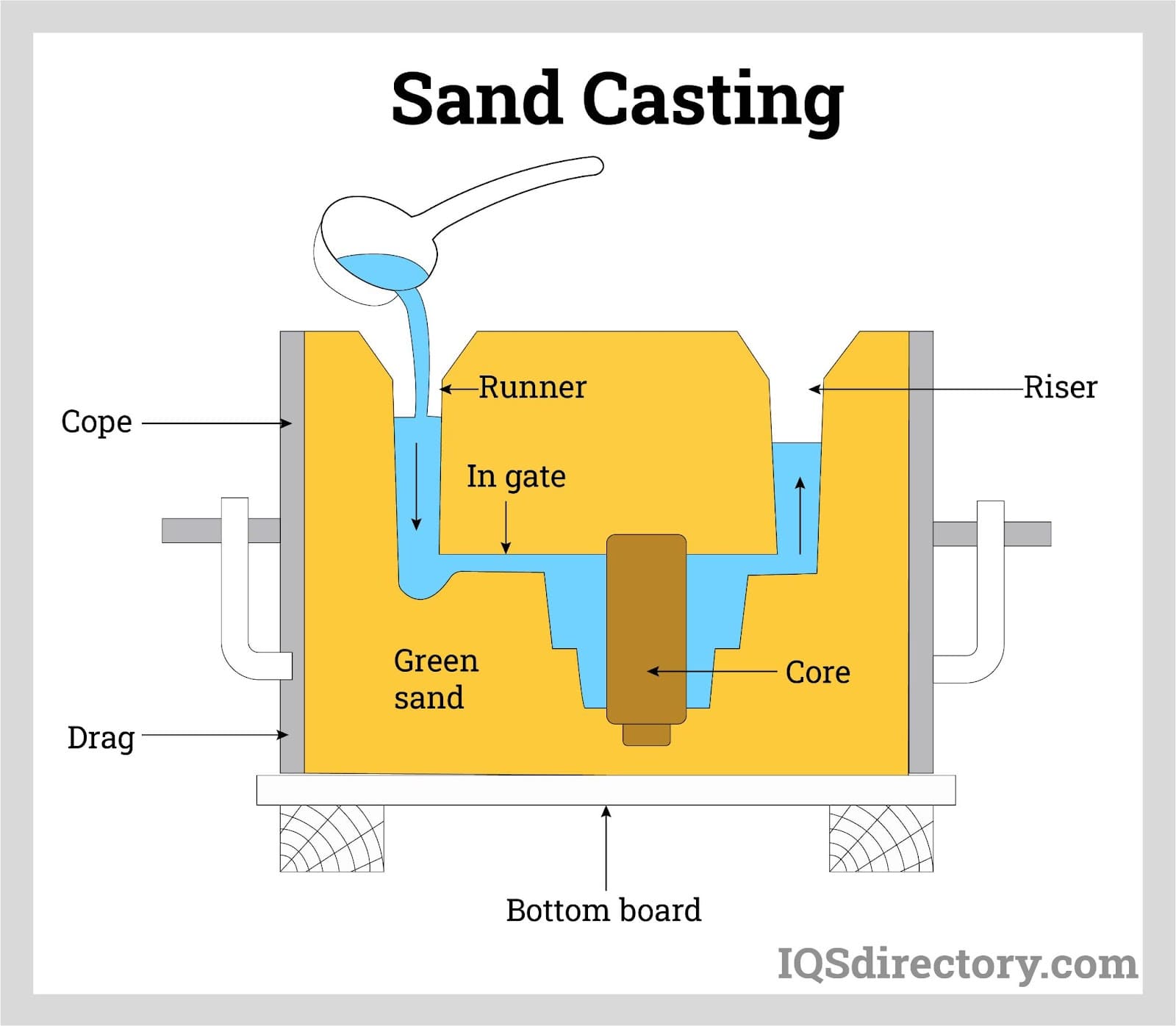 As the Aluminum Foundry market advances, it progressively focuses on environmental effect and sustainability, identifying the need for accountable techniques despite climate modification. Initiatives to minimize waste and energy intake go to the forefront, with several foundries embracing reusing initiatives to redeem Aluminum scrap. This not just decreases raw material use yet additionally notably reduces down power expense, as recycled Aluminum needs only a fraction of the energy contrasted to primary production.
Additionally, advancements in discharges manage innovations are being applied to decrease air contaminants, lining up procedures with more stringent ecological guidelines. Foundries are also exploring alternative energy sources, such as solar and wind, to power their centers sustainably. By promoting cooperation with stakeholders, the market aims to develop innovative remedies that boost eco-friendly stewardship. Jointly, these efforts highlight a commitment to reducing the Aluminum Foundry's carbon impact while advertising a circular economic climate within the production market.
Advanced Production Techniques
 Transforming production processes, the Aluminum Foundry industry is increasingly integrating advanced manufacturing techniques to enhance performance and precision. Techniques such as computer system mathematical control (CNC) machining and additive manufacturing have actually become necessary elements in maximizing production process. CNC machining permits high-precision part fabrication, considerably decreasing product waste and manufacturing time. On the other hand, additive production opens brand-new methods for complicated geometries and light-weight layouts that were previously hard to achieve.
Additionally, the implementation of automation and robotics in Aluminum foundries streamlines procedures, decreases human mistake, and enhances worker safety. These innovations help with an even more receptive production atmosphere, making it possible for manufacturers to adapt swiftly to market needs. The assimilation of advanced simulation software application additionally boosts the layout and testing phases, resulting in remarkable item top quality. Jointly, these techniques not just boost functional efficiency however also foster advancement, positioning the Aluminum Foundry sector at the leading edge of modern production.
Innovations in Reusing Processes
The Aluminum Foundry industry is not just advancing helpful hints in manufacturing techniques yet is likewise making considerable strides in recycling procedures. Advancements are emerging to enhance the performance of reusing techniques, decreasing energy intake and boosting sustainability. Advanced sorting technologies, such as automated optical sorting, make it possible for the recognition and separation of Aluminum from various other products with high precision. This results in a better of recycled Aluminum, which is essential for maintaining the honesty of the end products.
Furthermore, closed-loop recycling systems are being implemented, permitting makers to reuse Aluminum scrap within their very own production procedures. This lessens waste and promotes a round economic situation. In addition, study right into new recycling techniques, such as hydrometallurgical processes, supplies the possibility for recouping Aluminum from intricate waste streams. These developments not only add to lowering the carbon footprint of go to the website the Aluminum Foundry market but additionally reinforce its financial viability in an increasingly eco aware market.
Applications Across Numerous Industries
Various sectors are significantly acknowledging the adaptability and benefits of Aluminum Foundry items, bring about extensive applications across industries such as automotive, customer, aerospace, and construction goods. In the auto market, Aluminum castings add to light-weight automobile styles, enhancing fuel effectiveness and efficiency. Aerospace producers make use of Aluminum parts for their strength-to-weight ratio, important for aircraft frameworks and components.
In building and construction, Aluminum is favored for its toughness and resistance to deterioration, making it suitable for home window frameworks, roof covering, and structural assistances. Durable goods also take advantage of Aluminum Foundry products, as seen in cookware, electronics, and product packaging, where lightweight and recyclable materials are essential.
The flexibility of Aluminum Foundry techniques enables elaborate designs and exact requirements, accommodating the diverse demands of these sectors. Consequently, Aluminum Foundry items are coming to be important to modern-day production procedures across numerous industries.
Future Fads in Aluminum Foundries
As sectors proceed to develop, Aluminum foundries are positioned to accept several vital fads that assure to improve performance and sustainability. One noticeable fad is the increasing adoption of electronic modern technologies, consisting of automation and fabricated knowledge, which streamline operations and boost quality assurance. On top of that, the push in the direction of sustainable his explanation techniques is leading foundries to buy recycling innovations, considerably reducing waste and power usage.
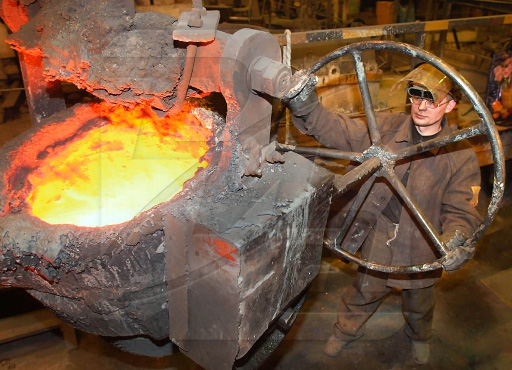 One more arising fad is making use of advanced alloys and products, satisfying the growing need for durable and lightweight parts throughout various markets (Aluminum Foundry). The combination of additive manufacturing techniques is prepared for to transform component style, offering modification and decreasing lead times.
Cooperation with research study institutions is additionally expected to drive innovation, as foundries seek to develop new processes and materials. Aluminum Foundry. Collectively, these patterns show a transformative future for the Aluminum Foundry sector, lining up with more comprehensive goals of sustainability and efficiency
Often Asked Inquiries
What Are the Regular Expenses Associated With Aluminum Foundry Production?
The normal costs related to Aluminum Foundry production include raw materials, labor, power, tools upkeep, and overhead expenses. These factors jointly affect the general monetary investment needed for effective Aluminum casting operations.
Exactly How Does Aluminum Compare to Various Other Steels in Toughness?
Aluminum, while lighter than several steels, exhibits excellent strength-to-weight ratios. Compared to steel, Aluminum is less solid yet supplies excellent corrosion resistance, making it a beneficial choice in applications where weight and resilience are vital.
What Precaution Remain In Place in Aluminum Foundries?
Precaution in Aluminum factories normally consist of compulsory personal safety tools, ventilation systems to control fumes, routine tools maintenance, training programs for employees, and adherence to rigorous safety regulations to lessen risks connected with molten steel handling.
How Is Top Quality Control Managed in Aluminum Casting Processes?
Quality control in Aluminum spreading processes entails rigorous examinations at different phases, including resources analysis, process surveillance, and end product screening. Methods such as analytical process control and non-destructive testing warranty adherence to industry criteria.
What Qualifications Are Essential for Aluminum Foundry Vendors?
The significance of qualifications for Aluminum Foundry vendors includes ISO 9001 for high quality management, ISO 14001 for ecological administration, and industry-specific requirements like ASTM and SAE, guaranteeing conformity, security, and reliability in manufacturing procedures.
The Aluminum Foundry sector plays a necessary role in contemporary production. The Aluminum Foundry industry is renowned for producing products with superior rust resistance, making them excellent for various applications. Reinventing manufacturing processes, the Aluminum Foundry market is significantly incorporating advanced manufacturing techniques to improve performance and accuracy. The Aluminum Foundry industry is not only progressing in manufacturing techniques however is likewise making considerable strides in reusing processes. As markets continue to progress, Aluminum shops are poised to accept numerous key patterns that guarantee to boost efficiency and sustainability.
Comments on “Highlighting Aluminum Foundry Wisconsin for manufacturing casting needs”